
Discover 70 Scientifically Supported Things to Be Grateful for Today
Written by Ning Chen, Psychological consultant Certificated By Institute of Psychology, CAS, China; Life skills coach Certificated By George Brown College, Canada; Solution-focused therapist studying at the University of Toronto, Canada (ongoing); Advanced French Patissier Certificated By GBC and École Nationale Supérieure de Pâtisserie, France; Used to work for one of the top 500 global companies; a drop-out psychology doctoral student but forever life's student.
Grab Your Free 365-day Gratitude Journal and Full 600-Gratitude-Inspiration List!
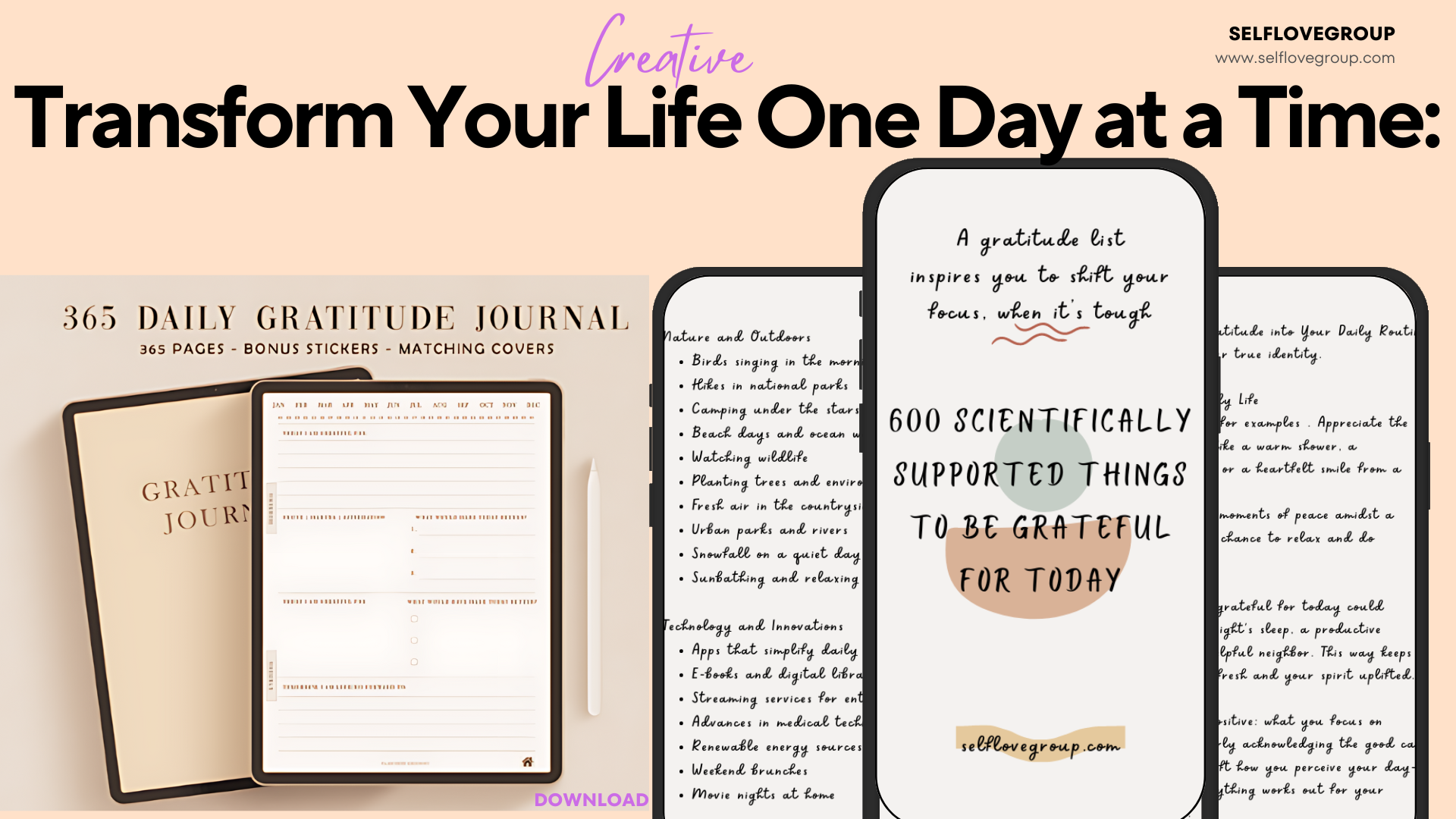
Start your journey to never-ending gratitude with our '365 Daily Gratitude Journal' and '600 Scientifically Supported Things to Be Grateful for Today'. Download now and always have a reason to feel grateful!
Key Takeaways
Learn how to be grateful when times are tough. Plus, benefits, scientific evidence, barriers to gratitude, and how a gratitude list of things to be thankful for can quickly shift your focus, free you from negative situations, and inspire you to focus on things to be grateful for.
Importance of Gratitude: Gratitude is more than saying thanks to the things to be grateful for; it’s a deep appreciation from within that aligns with who you are. Immersing yourself in grateful things enhances mental and emotional wellness and transforms perspectives during life's challenges, setbacks, and adversity.
Neuroscience Behind Gratitude: Practice gratitude activates brain areas linked to emotional reward and decision-making, enhancing mood and increasing happiness.
Long-Term Benefits: Regular gratitude practices can alter the brain’s structure, improving emotional regulation and resilience over time.
Psychological and Physical Advantages: Gratitude reduces symptoms of depression and anxiety, boosts self-esteem, and enhances resilience.
Impact on Relationships: Gratitude strengthens interpersonal bonds, encourages positive interactions, and reduces conflicts. By cultivating gratitude, you can experience more things to be thankful for, leading to improved mental health, enhanced emotional resilience, and stronger relationships.
Gratitude in the Workplace: Cultivating a gratitude list can increase job satisfaction, improve team dynamics, enhance manager-employee and leader relations, and stick to the leadership to evolve better.
Daily Routine Integration with a list of things to be grateful for: Incorporate simple gratitude into daily life to maintain a positive and thankful mindset and enjoy life more. It helps you quickly get out of the downward cycle and return home full of things to be thankful for. Let’s not wait for Thanksgiving to count our blessings; we can make every day of gratitude.
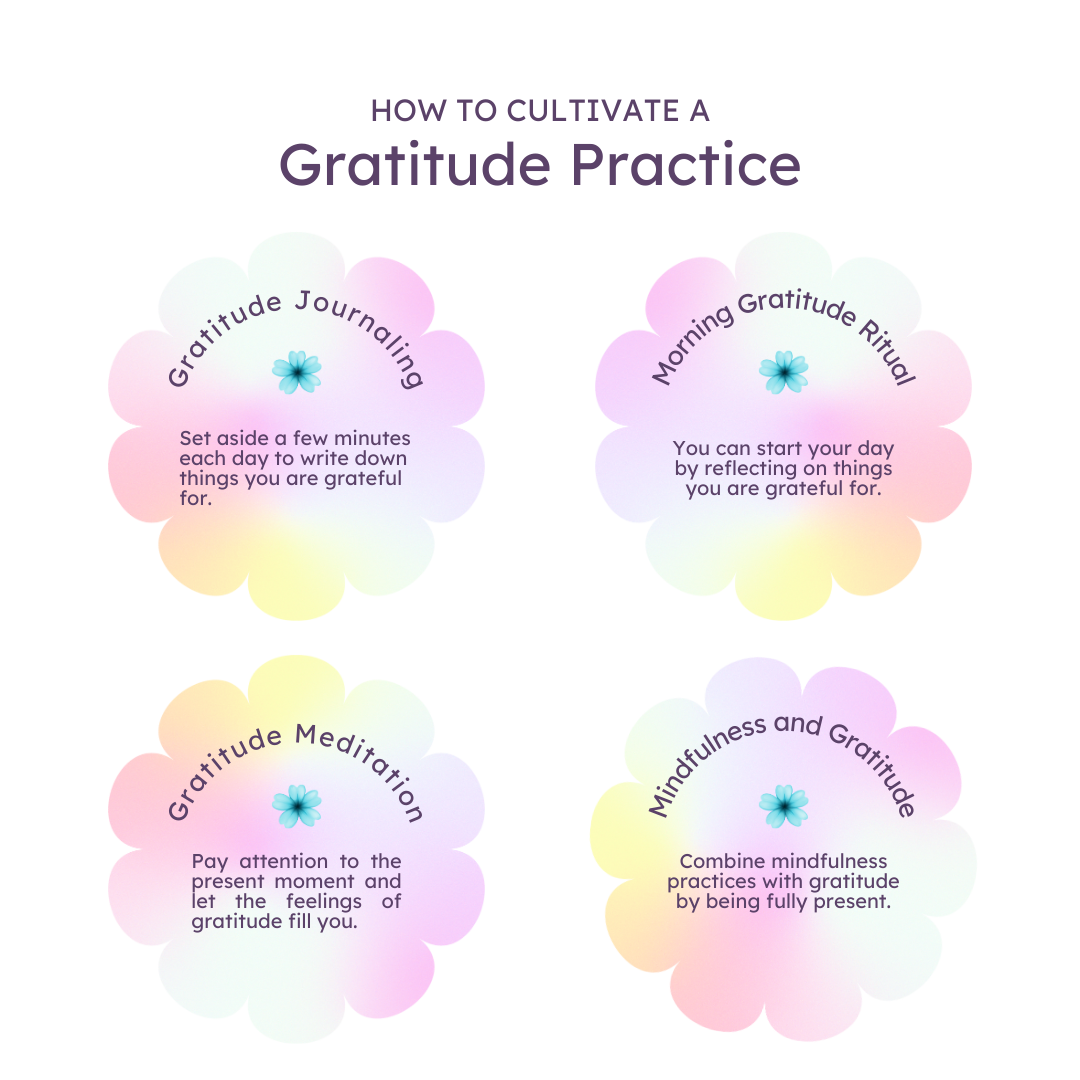
Practical Gratitude Exercises:Gratitude Journaling, Gratitude Reminders, Gratitude List Visits, and Mindful Appreciation. You can download a free 365-day gratitude journal and 600 Scientifically Supported Things list so you always have things to be grateful for to build your strong habit to align with your true identity.
Understanding the Science Behind Gratitude
Gratitude involves acknowledging and appreciating the positive things in our lives. It isn't merely about saying thanks; it's about feeling a genuine sense of thankfulness that comes from within, the most important ingredients of your being state.
Gratitude should be your normal state because you’re grateful being even in tough times. You still have so many things to be grateful for.
Neural Underpinnings of Gratitude
Gratitude activates key regions in the brain associated with dopamine and serotonin—neurotransmitters essential for our feelings of happiness.
Neuroimaging studies, like those by Kini et al. (2016), reveal that such expressions of gratitude stimulate the ventral and dorsal medial prefrontal cortex, areas linked to emotional reward and decision-making. Thus, they enhance mood and promote contentment.
Long-Term Changes Induced by Gratitude
Furthermore, gratitude's impact extends beyond immediate emotional uplift. Neuroscience research indicates that consistent gratitude exercises can lead to lasting changes in the brain’s structure, particularly enhancing the neural modulation of the prefrontal cortex.
This adjustment promotes better regulation of negative emotions and increases mental resilience, as shown in neuroimaging work by researchers like Damasio et al. (2000). This adaptive change in brain function points to how gratitude improves short-term well-being and contributes to long-term psychological and emotional stability.
The Psychological and Physical Benefits of Gratitude
Research shows that gratitude can:
Enhances Mood: Regularly practicing gratitude can increase levels of serotonin and dopamine, neurotransmitters that are crucial for happiness. This can result in a more sustained positive mood and feelings of joy.
Reduce Depression and Anxiety: Regularly acknowledging what you’re thankful for can shift your focus away from negative emotions and thoughts, which are often associated with depression and anxiety.
Enhance Self-esteem: Recognizing and appreciating your achievements and the contributions of others to your success can help you feel more secure and less inclined to compare yourself negatively with others.
Increase Resilience: Facing life’s setbacks becomes easier when you have cultivated a habit of noticing and appreciating the good. This can help you bounce back from setbacks more quickly.
Improves Sleep: Writing in a gratitude journal before bed helps calm the mind and leads to a good night’s sleep, as it reduces negative thoughts that often interfere with sleep, which is essential for mental and physical well-being.
Read more: Maximize Your Lose Weight Sleep Strategy: How Quality Rest Aids Successful Weight Loss
Strengthens the Immune System: A positive mental state, induced by gratitude, has been linked to better immune function, particularly in reducing the risk of inflammation and improving disease resistance.
Lowers Blood Pressure: Regular expressions of gratitude can lead to a significant decrease in blood pressure, promoting better heart health and reducing the risk of heart-related issues.
Promotes Physical Health: People who engage in gratitude report fewer aches and pains and generally feel healthier than those who don’t. They are also more likely to care for their lives by exercising and attending regular medical check-ups.
Enhances Recovery: Gratitude can speed up recovery from medical procedures and reduce recovery time in hospital stays, likely due to its positive effects on overall health and stress levels.
Key Areas of Gratitude
Gratitude in Relationships Even Kind Strangers
Expressing gratitude can significantly enhance interpersonal relationships. Here are some ways it can make a difference:
Strengthens Bonds: Showing appreciation can make people feel valued and reinforce positive interactions in personal or professional relationships.
Encourages Reciprocity: Expressing gratitude often encourages others to respond kindly. This reciprocal appreciation can create a more cooperative and harmonious environment.
Reduces Conflict: By focusing on what others do right and showing appreciation, you can often avoid misunderstandings and conflicts in relationships.
Gratitude in the Workplace
Implementing gratitude in a professional setting can transform the workplace culture. Benefits include:
Increased Job Satisfaction: Business owners or Employees who feel appreciated are more likely to be satisfied with their jobs or be more committed to their missions or life purpose, have a more significant impact, and put in more tremendous effort.
Better Team Dynamics: Gratitude can strengthen team relationships, fostering a sense of community and collaboration.
Enhanced Manager-Employee Relations: When leaders express gratitude towards their team members, it can improve respect and loyalty in both directions.
Practice Gratitude to Feel Grateful in Daily Life
To effectively integrate gratitude into your daily life, consider these practical methods:
Gratitude Journaling:
As mentioned, keep a daily journal where you write down things you are grateful for. While it can be challenging to express thankfulness for the same things repeatedly, try to be specific and include varied aspects of your life.
Writing in your gratitude journal before bed can also promote a good night's sleep.
Read more: Transform Your Life with 118 Self Love Journal Prompts
Gratitude Reminders:
Set reminders to pause and reflect on things you’re grateful for—this could be during a morning routine, before meals, or before bed.
Gratitude Visits:
Write a letter to someone for whom you are grateful and deliver and read your gratitude list to them in person. This can be a profoundly moving experience for both parties.
Mindful Appreciation:
Take moments throughout the day to truly savor experiences—whether it’s enjoying a meal, listening to music, or having a conversation. Mindfulness enhances the feeling of gratitude by letting you fully engage in the moment.
Reflecting on Gratitude:
Reflecting on these deep things to be thankful for can significantly enhance our appreciation of life and contribute to a happier, more fulfilling existence. Let’s not wait for Thanksgiving to count our blessings; we can make every day of gratitude.
What have I received from others?
What have I given to others?
What troubles and difficulties have I caused, but which have turned out to be the most valuable experiences in helping me know what I want?
What can I learn from those struggles, troubles, and difficulties to love myself better to thrive?
This reflection to practice gratitude can help you appreciate the full scope of your interactions and experiences, promoting a more profound sense of gratitude. You have endless things to be grateful for because you’re a grateful and blessed being.
Complete List of 70 Things to Be Grateful for Today
Here’s a list of things to be grateful for, ranging from the simplest daily conveniences to more profound aspects of human experience. If you want to feel grateful more, see the complete list below.
Let's first explore some of the most common things to be grateful for that enrich our lives daily.
Health and Wellbeing
Being in good health is something many of us take for granted. Whether it’s the ability to move without pain, having no chronic conditions, or simply enjoying a new day without physical constraints, health is definitely at the top of the gratitude list of things to be thankful for. Every day of good health is a gift worth celebrating.
Fresh Air, Clean Water, and a Warm Home...
These are essential for life yet easily taken for granted. The comfort of a warm home, the refreshment of clean water, and the revitalizing effect of fresh air are foundational to our inner harmony. Feel grateful for every breath, which is a new beginning.
The Opportunity to Learn
Access to education is a privilege that opens up a world of possibilities. Being able to learn, whether in a classroom or through life experiences, profoundly enriches our lives. It equips us with the tools to grow and succeed, shaping who we are through books, experiences, or conversations.
Community and Relationships
The support and love of a family, both given and received, are invaluable: the love and practical support parents gave. Having friends who stand by us in times of need adds a deep layer of appreciation to our lives. Cherish these relationships—they are fundamental sources of gratitude. Revisit all the things to be thankful for.
Nature’s Beauty
The beauty of nature, which we often overlook, is a powerful source of gratitude. Each season offers unique elements to appreciate, from the blooming flowers in spring to the serene snowscapes in winter. From a quiet morning sunrise to a serene sunset, nature's beauty is all around us.
Technology and Connectivity
Think about all the modern conveniences that make life easier and more comfortable. From smartphones that keep us connected to loved ones to the internet that offers endless information, these technologies are significant enhancers of our daily lives.
Art and Culture
The world of art and culture provides us endless unique things to be thankful for, inspiration, and joy. Whether it’s music, literature, dance, or visual arts, the creativity of others profoundly enriches our lives.
Your Strengths and Talents
Take a moment to acknowledge your abilities and how they positively influence your life and those around you.
The aroma of freshly baked cookies creates a warm, welcoming atmosphere and brings smiles and comfort, making gatherings more memorable and enjoyable. These unique things to be thankful for generate more ideas to experience life joyfully.
Challenges and Struggles
"I am thankful for my struggle because it has shown me my strength." Each challenge shapes our resilience and fosters a positive mindset.
Opportunities to grow become things to be thankful for; learning from past mistakes and cherishing good memories are essential.
Simple Joys
Consider the everyday funny things to be thankful for that bring a smile to your face—a warm cup of coffee, the softness of your pet, or your favorite song on the radio. These simple joys, often overlooked, are worth celebrating.
Financial Stability
The security that comes from having enough resources to meet your needs without constant worry. Gratitude for a steady income, savings, or even financial advice that helps navigate economic challenges. These are the things to be thankful for in our life-long time.
Safety and Peace
Living in a safe community and a peaceful environment where you can walk freely and sleep soundly at night. These often overlooked blessings," the tiniest things," form the foundation of daily comfort and well-being.
Cultural Diversity
The richness that comes from a variety of cultures, languages, and traditions that we can learn from and enjoy. Appreciating diverse perspectives and the vibrancy they bring to our world.
Volunteerism and Altruism
The willingness of individuals to help others without expecting anything in return. Appreciating those who dedicate their time, resources, and energy to do the things to be thankful for and make the world a better place.
By recognizing and appreciating these diverse categories, we can foster a deeper gratitude and a more profound appreciation for the world around us.
Here, we’ve broken down into various specific situations, covering all the things to be thankful for, from small daily conveniences to significant life-changing elements to remind you who you are.
Personal and Emotional
Your ability to read and learn. It opens new worlds and expands horizons, enhancing personal growth and understanding.
Every smile you receive or give. Boosts mood and fosters connections, contributing to emotional well-being.
Laughter shared with friends. Strengthens bonds and reduces stress, promoting a happier, healthier life.
Moments of silence during a busy day strengthen bonds and reduce stress, promoting a happier, healthier life.
Tears that helped you express your feelings.Facilitates emotional release and healing, enhancing emotional resilience.
Apologies that mended fences.Restores relationships and builds trust, leading to stronger interpersonal connections.
Compliments that boosted your confidence. Increases self-esteem and motivation, positively impacting mental state.
Every time you forgave or were forgiven. They were reducing emotional burden.
Your resilience in challenging times brings things to be thankful for your future.
The feeling of satisfaction after dedicated work.
Health and Wellbeing
Every breath of fresh air lets you remember things to be thankful for.
Clean drinking water.
Access to medical care and herb care.
Vaccinations and the science behind them.
Your body’s ability to heal. A good night's sleep is essential for mental and physical well-being.
Mental health support and awareness.
Every walk, run, or exercise session.
The sense of taste and enjoying different foods.
The sense of hearing—music, voices, nature.
The sense of touch is what to be thankful for—textures and warmth.
Relationships and Community
Supportive family members. Good neighbors.
Close friends who are there in times of need.
Mentors who guide and inspire you.
Kind strangers who brightened your day.
Community groups that welcome you.
Teammates in sports or other activities.
Your pets and the unconditional love they give.
Online communities and forums.
Cultural traditions that bring people together.
Celebrations and gatherings.
Achievements and Opportunities
Your education, however far you reached.
Each job offers an opportunity.
Skills you’ve mastered over the years.
Languages you speak or are learning.
Awards, recognitions, and small wins.
Constructive feedback that led to improvement.
Every book that has influenced you.
Opportunities to travel and see the world.
Second chances in various aspects of life.
Your ability to plan and dream.
Daily Conveniences and Modern Technologies
Electricity and running water.
The internet and access to information.
Mobile phones and communication technology.
Home appliances that save time.
Public transportation.
Roads, bridges, and infrastructure.
Safety regulations that protect you.
Access to entertainment: movies, games, sports.
Financial services that secure your money.
Emergency services ready to respond.
Nature and Environment
Sunny days that brighten the mood.
Rain that nourishes the earth.
Parks and forests to explore.
Rivers, peaceful lake, and oceans to admire.
Mountains and trails for adventure.
Wildlife and the diversity of species.
Seasons that bring change and renewal.
Flowers, trees, and plants in your surroundings.
Sunrises and sunsets.
Stars and the vast universe above.
Self-identity and Expression
Your unique talents and traits.
Every piece of art or craft you’ve created.connections, contributing to emotional well-being.
Your favorite clothes that express who you are.
Freedom of speech and expression.
Every journal entry you’ve written.
Songs, poems, and stories that resonate with you.
Photographs that capture precious moments.
Your sense of style and decoration.
Festivals and fairs that celebrate various arts.
The ability to vote and influence society.
Each point reflects different aspects of life—personal achievements, communal support, natural beauty, and much more—highlighting the richness and diversity of experiences that contribute to a fulfilling life.
Frequently Asked Questions
What are the most effective gratitude exercises?
Gratitude exercises can vary widely, but some of the most effective ones include keeping a gratitude journal, writing gratitude letters, and practicing mindful reflection on things you're thankful for daily.
Can gratitude improve my relationship?
Yes, gratitude can strengthen relationships by increasing bonding and mutual respect and fostering a positive feedback loop between partners.
How can I start a gratitude practice with no time?
Starting with gratitude can be as simple as taking a few moments each day to think of three things you’re thankful for. This can be done while commuting, drinking morning coffee, or before bed. For example, you might be grateful for a brand new day, a delicious breakfast, or a kind gesture from a friend.
How can I teach gratitude to children?
Teaching gratitude to children can be done through simple activities like creating thank you cards, sharing daily grateful moments at dinner, or encouraging them to talk about what they appreciated about their day.
What are the benefits of practicing gratitude in daily life?
It can increase positive emotions, reduce the risk of depression, enhance empathy, and even improve sleep quality.
How can gratitude improve mental and emotional well-being?
Expressing gratitude consistently has been linked to greater neural sensitivity in the medial prefrontal cortex, a brain area associated with learning and decision-making. Thus, it improves mental and emotional well-being.
Are there any scientific studies supporting gratitude's positive effects on health?
Yes, research has shown that gratitude can lower blood pressure, reduce symptoms of depression, and boost immune system function.
What am I really grateful for?
This reflective question encourages a deep personal assessment of what truly brings value, insights and happiness to one’s life.
What can kids be thankful for?
Kids can be thankful for their family, friends, pets, teachers, and daily experiences that bring them joy and comfort.
How can I be grateful every day?
Setting a daily reminder to reflect on moments of gratitude or keeping a gratitude journal can help make gratitude a daily practice.
How to be grateful in hard times?
Focusing on small positives, seeking support from loved ones, and acknowledging one’s feelings without judgment can foster gratitude during challenging times. Know everything works out for you and use this experience to achieve your next level.
How do I become truly grateful?
Genuine gratitude from within, your true identity, involves consistently recognizing and appreciating the value of what we have and the people who contribute to our lives.
What are unique things to be thankful for?
Unique aspects to be thankful for might include personal achievements, unexpected kindness from a stranger, or the ability to learn and adapt.
What deep things to be thankful for?
Deep gratitude can stem from life’s challenges that taught valuable lessons, the opportunity to pursue one’s dreams, or the capacity for personal growth and self-reflection.
What things should I be grateful for in quotes?
John F. Kennedy: "As we express our gratitude, we must never forget that the highest appreciation is not to utter words, but to live by them." Brene Brown: "I don't have to chase extraordinary moments to find happiness - it's right in front of me if I'm paying attention and practicing gratitude."
How can I be thankful for all things?
Cultivating gratitude in all circumstances can be achieved by consistently finding and acknowledging the good, even in difficult situations, because it all helps you get your highest good to evolve better. Make your life serve you with appreciation.
Summary
By integrating psychological research findings with neuroscientific insights, it is evident that gratitude is a powerful tool for fostering both immediate joy and sustained mental health. The practice of gratitude not only makes us feel good in the moment but also restructures neural pathways to support long-term health and happiness. This dual benefit underscores the importance of incorporating gratitude into daily life as a means to enhance overall life satisfaction and resilience.
References
2, Damasio, A., Grabowski, T., Bechara, A., Damasio, H., Ponto, L. L., Parvizi, J., & Hichwa, R. D. (2000).Subcortical and cortical brain activity during the feeling of self-generated emotions. Nature Neuroscience, 3(10), 1049-1056.
3, Emmons, R. A., & McCullough, M. E. (2003).Counting blessings versus burdens: An experimental investigation of gratitude and subjective well-being in daily life. Journal of Personality and Social Psychology, 84(2), 377-389.
4, Fredrickson, B. L. (2004).The broaden-and-build theory of positive emotions. Philosophical Transactions of the Royal Society of London. Series B: Biological Sciences, 359(1449), 1367-1378.
5, Seligman, M. E., Steen, T. A., Park, N., & Peterson, C. (2005).Positive psychology progress: Empirical validation of interventions. American Psychologist, 60(5), 410-421. Access here
Ning Chen, together toevolve with ancient Oriental wisdom, modern Western psychology, and joyful life skills ...
Psychological consultant Certificated By the Institute of Psychology, CAS, China;
Life skills coach Certificated By George Brown College, Canada;
Solution-focused therapist studying at the University of Toronto, Canada (ongoing);
Advanced French Patissier Certificated By GBC and École Nationale Supérieure de Pâtisserie, France;
Used to work for one of the top 500 global companies as a telecommunication engineer and an engineering leader;
A drop-out psychology doctoral student but forever life's student.
JOINSELFLOVEGROUP RISING CIRCLE NEWSLETTER
Immerse yourself in a dynamic flow of source energy life skills, tools, and perspectives designed to nurture the lovable and loved you.
SelfloveGroup Rising Circle Newsletter
Immerse yourself in a dynamic flow of source energy skills, tools, and perspectives designed to nurture the lovable and loved you.
We Help Lovable And Loved You Root In Self-Love|Philautia To Boost And Radiate Who You Are: Health, Wealth, Joy, Love, Peace, Success.
SelfloveGroup Rising Circle Newsletter
Immerse yourself in a dynamic flow of source energy skills, tools, and perspectives designed to nurture the lovable and loved you.
This site is not a part of Google™ or the network of sites such as Youtube™ or any company owned by Google™ or Youtube™. Additionally this website is not endorsed by Google™ or Youtube™ in any way. Google™ and Youtube™ is a trademark of Google LLC. This site is not part of and/or endorsed by Facebook™.Facebook™ is a trademark of Facebook™, Inc.