
Maximize Your Lose Weight Sleep Strategy: How Quality Rest Aids Successful Weight Loss
Written by Ning Chen, Psychological consultant Certificated By Institute of Psychology, CAS, China; Life skills coach Certificated By George Brown College, Canada; Solution-focused therapist studying at the University of Toronto, Canada (ongoing); Advanced French Patissier Certificated By GBC and École Nationale Supérieure de Pâtisserie, France; Used to work for one of the top 500 global companies; a drop-out psychology doctoral student but forever life's student.
Understanding why sleep is essential for weight management, when interventions are most effective, the role of sleep quality plays, how it affects metabolism, hormones, and physical activity, and applying these insights to daily life are crucial for achieving better health outcomes and successful weight loss.
WHY⇆
⇆WHEN
⇆WHO⇆
⇆HOW
In this evidence-based guide, we’ll explore how optimizing your sleep pattern can become a game-changer in your weight loss journey. Say goodbye to fad diets and hello to restful sleep, an internal medicine that could kickstart your successful weight loss transformation and maintain weight loss. Understanding the relationship between sleep and metabolism is crucial, as it significantly regulates weight loss and overall health.
Key Takeaways
Balancing Hormones: Getting adequate quality sleep is integral to weight loss; it helps balance hunger hormones like leptin and ghrelin, enhances metabolism, and aids muscle recovery, thereby improving exercise effectiveness and dietary choices.
Enhancing Metabolism:Learn how adequate sleep can rev up your metabolism, leading to more efficient calorie burning and weight loss. Learn educational training to get high-quality sleep and boost your metabolic rate.
High-quality Sleep Extension:Learn how to avoid sleep deprivation and its Effects on Hunger Hormones. Extending sleep duration directly impacts objectively assessed energy intake, effectively reducing calorie consumption. Lack of sleep can lead to weight gain due to an increased appetite for high-calorie, carbohydrate-rich foods and disrupted hormone regulation, while an optimal duration of around 8.5(7-9) hours per night supports weight loss.
Source: National Sleep Foundation or the Centers for Disease Control and Prevention (CDC).
Sleep Habits: Practiceintegrating sleep into a weight loss plan involves establishing consistent sleep habits, potentially using sleep hypnosis for subconscious behavioral changes, and making dietary and lifestyle adjustments to enhance sleep quality and overall health.
【Why】9 Ways Sleep Help You Lose Weight
To unlock your full potential for a healthier, happier you.
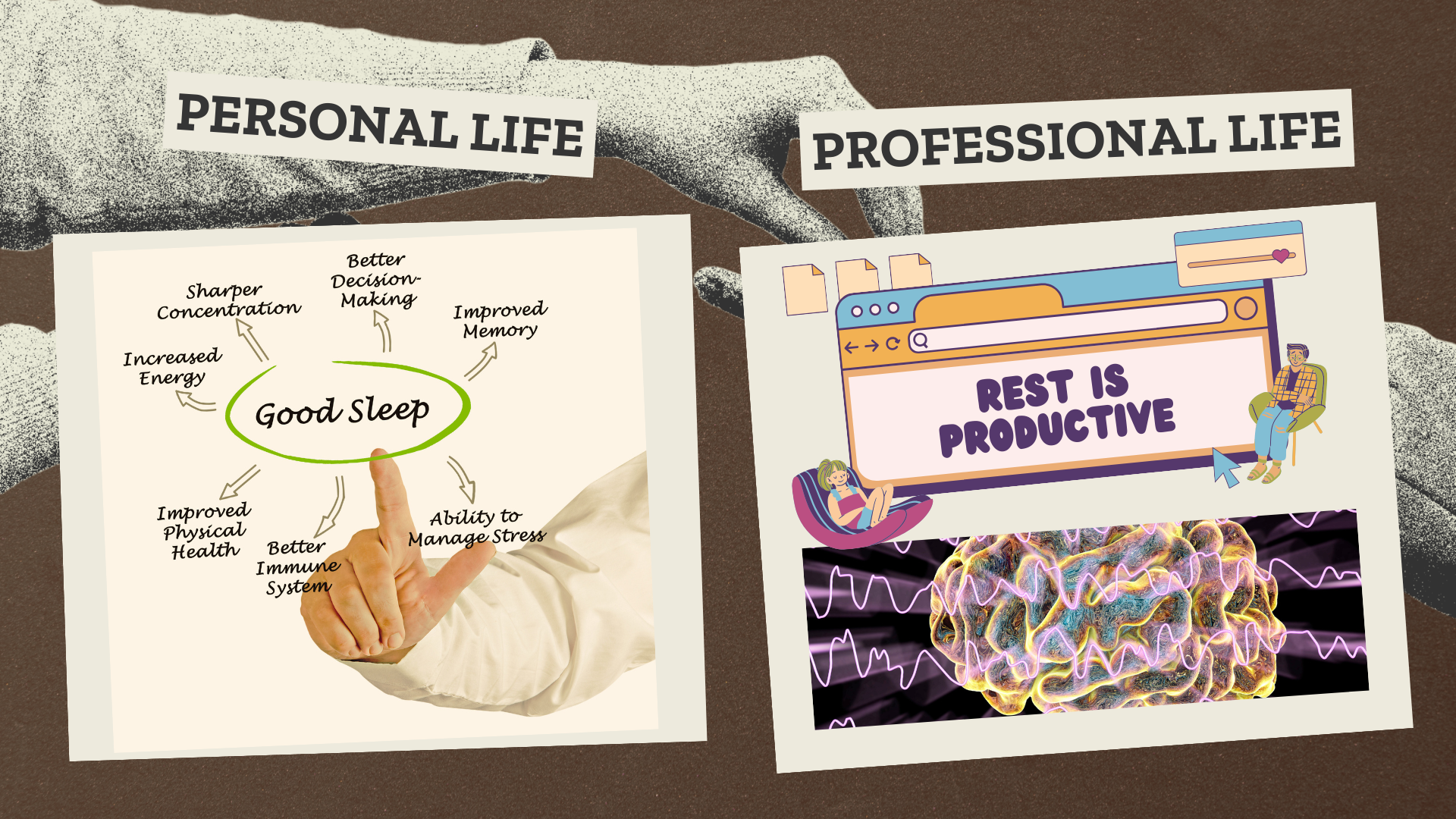
Sleep serves as a crucial phase for your body and mind to rest, heal, and regulate vital functions, including those influencing your weight control. Here are 9 ways sleep can aid your weight loss efforts.
Balances hunger hormones like leptin and ghrelin to reduce cravings. Adequate sleep plays a key role in balancing hormones such as leptin and ghrelin, which govern hunger and appetite. This implies that good sleep can reduce the likelihood of experiencing intense cravings for high-calorie, sugary foods.
Boosts metabolism for more efficient calorie burning. Quality sleep can also enhance your metabolism, leading to more efficient calorie burning.
Facilitates muscle recovery, enhancing exercise effectiveness. Well-rested muscles perform better during exercise that you love, leading to more effective workouts that increase your flexibility and strength. Never be hard on yourself doing some grueling workouts. Listen to your inner guidance.
Improved sleep bolsters cognitive function and facilitates healthier food choices. When you love your body, your body simply loves you back.
Boosts energy levels, providing you with more energy to remain active during the day
Manages stress levels, preventing cortisol spikes that can lead to weight gain
Repairs and rebuilds muscle tissue after workout, a vital process for fitness and weight loss. Resting well is a part of success.
Promotes fat oxidation during certain stages of sleep, aiding in weight loss efforts
Promotes overall wellness and simplifies adherence to healthy habits, such as discovering a healthy diet, the physical activity you love, and a relaxed mind state that aligns with your true identity.
【When】The Impact of Sleep Duration on Weight Loss Interventions
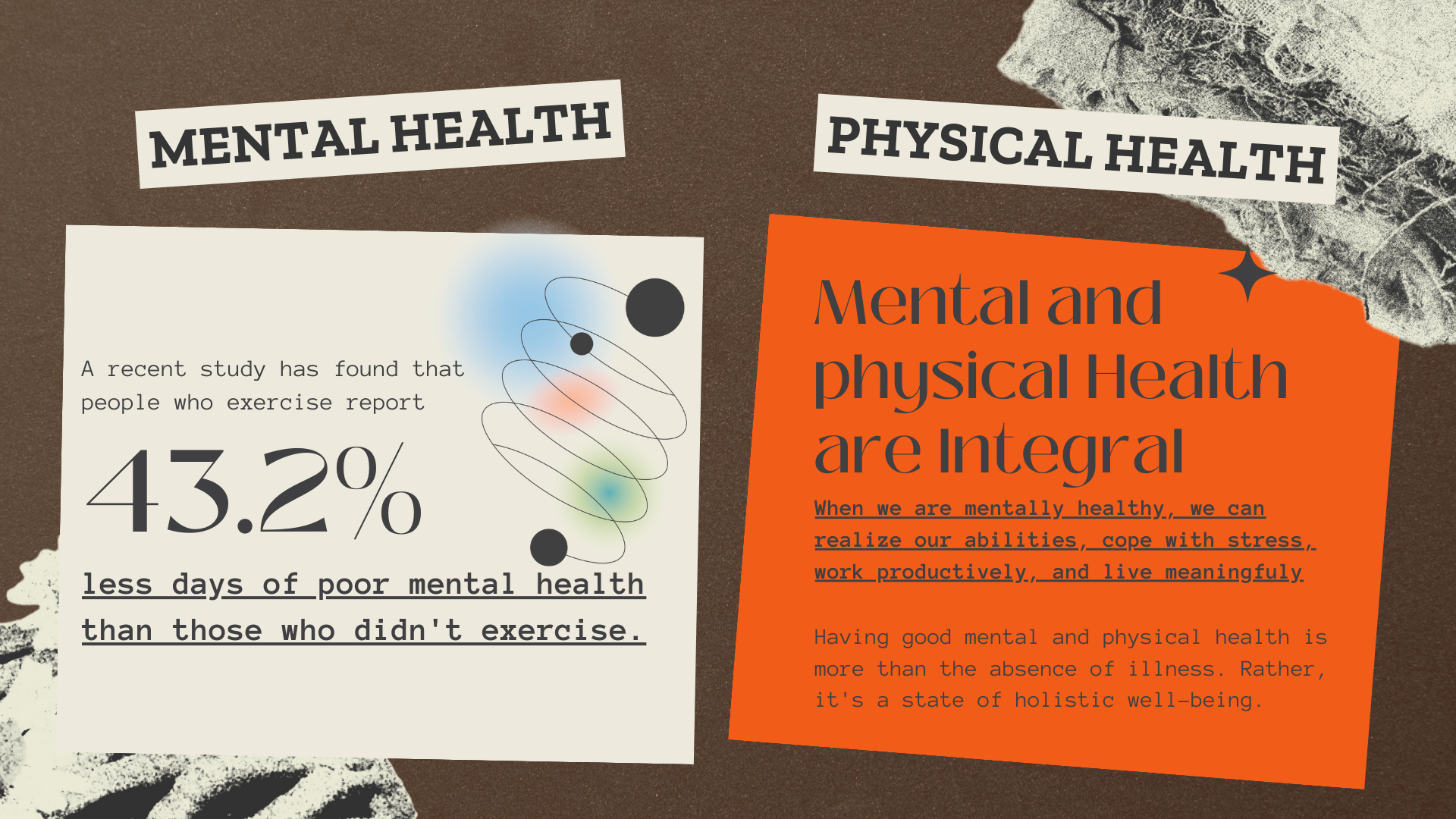
You may question, ‘what amount of sleep is required to expedite my weight loss?’ The response may not be as direct as you anticipate. Sleep duration can significantly impact weight loss, with individuals who get adequate sleep consuming fewer calories and potentially experiencing weight loss over time.
Interestingly, overweight adults who extended their sleep duration to over 6.5 hours per night experienced the following benefits:
Reduced their average daily caloric intake by 270 kcal
This decrease in caloric consumption, if maintained, could result in a weight loss of approximately 26 pounds over three years
Establishing a regular sleep pattern is associated with better regulation of appetite and a reduced desire for high-calorie foods, supporting weight loss efforts.
Source: National Sleep Foundation
Short Sleep Duration Consequences
Conversely, insufficient sleep can significantly hinder your weight loss efforts. It’s been noted that increased appetite and the inclination towards poor food choices for more calories than the necessary are key consequences of short sleep duration.
Individuals suffering from sleep deprivation typically prefer high-calorie and carbohydrate-rich foods. This increased appetite for unhealthy foods with more calories caused by sleep loss can decrease metabolism and lead to weight gain. In other words, if you’re not getting enough sleep, you are chronically sleep deprived and can end up in a vicious cycle of increased food intake from less nutritional sources, thereby promoting weight gain and increasing the risk of obesity.
Optimal Sleep Duration for Weight Loss Effectiveness
What then, is the optimal sleep duration for efficient weight loss? According to research, the magic number is 7- 8.5 hours per night.
This finding is based on a study that targeted a sleep duration of 8.5 hours per night to observe the effects on caloric intake and weight loss. Therefore, if you’re looking to optimize your sleep for weight loss, research suggests aiming to get around 8.5 hours of quality sleep each night.
Source: Association between objectively measured sleep duration, adiposity and weight loss history
【What】Sleep Deprivation and Its Effects on Hunger Hormones
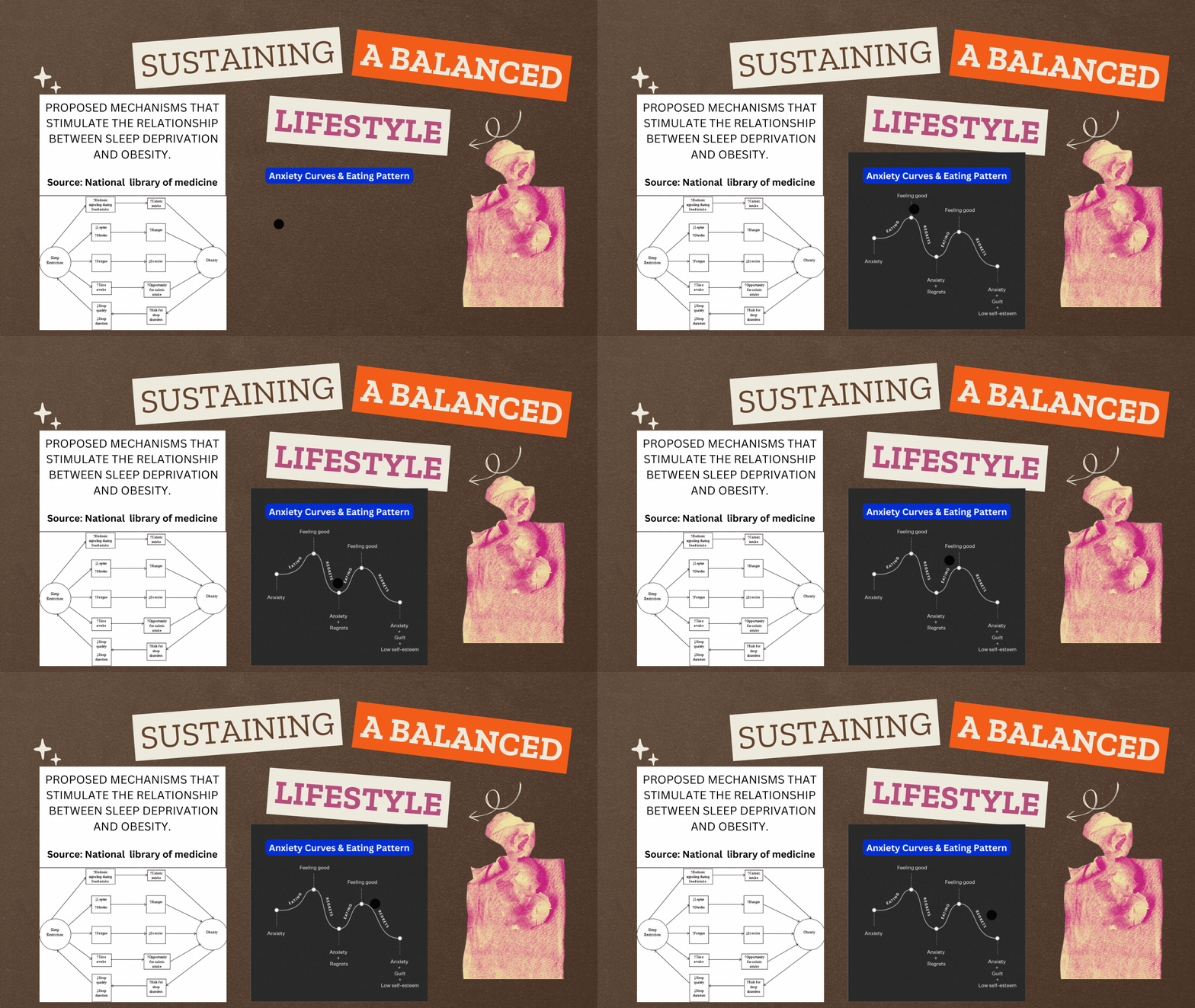
Having emphasized the significance of sufficient sleep for weight loss, it’s crucial to understand the effects of lack of sleep on the body’s hunger hormones. It’s important to note that sleep deprivation can significantly disrupt the body’s regulation of key hormones, such as ghrelin and leptin, which control hunger and fullness.
Lack of sleep often results in elevated ghrelin levels, the hormone that incites hunger, and diminished leptin levels, which signal satiety. This hormonal imbalance can lead to increased appetite and reduced feelings of fullness, making it harder for you to stick to what benefits you the most, harder for you to fall asleep, and achieve your weight loss goals.
Ghrelin: The Hunger Hormone
Ghrelin, often referred to as the hunger hormone, plays a significant role in stimulating appetite. With just a single night of sleep intervention, you can experience acute rises in ghrelin levels, leading to increased hunger signals.
Elevated ghrelin levels resulting from sleep deprivation can disrupt your normal energy balance, impair glucose metabolism, gain weight, and increase the risk of obesity.
So, if you want to keep those hunger pangs in check, make sure you’re getting adequate sleep!
Leptin: The Satiety Hormone
On the other hand, leptin, also known as the satiety hormone, signals to your brain that you’ve had enough to eat. However, chronic sleep deprivation can reduce the levels of leptin in your body, leading to prolonged feelings of hunger and reduced energy.
This means that even when you have eaten enough, your brain might not get the signal to stop eating, leading to overeating, weight gain and even chronic illness.
【Who】The Role of Sleep Quality in Weight Management
Sleep isn’t just about quantity, but also about quality. The quality of your sleep can have a significant impact on your weight. It should align with who you are; You are HEALTH. Regardless of the appearance, you just hold your truth to dominate your true self.
Good sleep quality has been positively correlated with maintaining healthy adults body weight. Quality sleep is crucial for maintaining bodily functions and homeostasis, which includes weight regulation. Hence, effective weight management necessitates a focus not only on diet and exercise, but also on extending sleep time and enhancing sleep quality.
Factors Affecting Sleep Quality
Numerous factors can influence your sleep quality, which is essential to note for effective weight management. For instance, stress is often cited as a major factor negatively affecting sleep quality. Chronic stress can lead to poor sleep quality and contribute to weight gain, so managing stress is essential to ensure better sleep and aid in weight management.
Additionally, your bedroom environment plays a crucial role in your sleep quality. Sleeping in a dark environment is beneficial for sleep quality and is associated with a lower risk of weight gain and obesity.
Finally, lifestyle choices, such as the use of electronic devices before bedtime and dealing with family problems, can lead to inadequate sleep, impair sleep quality and potentially contribute to sleep disorders.
Strategies to Improve Sleep Quality
A few modifications to your pre-sleep routine and bedroom environment can significantly enhance your sleep quality. For instance, personalized sleep hygiene counseling has been shown to effectively increase sleep duration, underlining the significance of a tailored bedtime routine. A nightly ritual like reducing lighting, engaging in reading, or participating in calming activities can indicate to your body that it's time to relax and get ready for sleep.
Additionally, creating a sleep-friendly environment is as important as a bedtime routine. Factors like room darkness and noise levels play a crucial role in sleep quality. You can make your environment more conducive to sleep by using blackout curtains, earplugs, or white noise machines, and by ensuring that your mattress and pillows are comfortable.
【How】Sleep and Metabolism: How Rest Affects Energy Expenditure
Let’s now explore the relationship between sleep and metabolism. It may come as a surprise, but the quality and amount of your sleep can directly influence your metabolism, subsequently affecting your energy expenditure and, ultimately, your weight.
Maintaining a consistent and good sleep habit helps regulate metabolism and enhance insulin sensitivity, which is crucial for weight loss. On the other hand, irregular sleep patterns or attempting to recuperate sleep after staying up late can lead to metabolic disruption to impede weight loss.
Interestingly, our metabolic rate decreases by approximately 15% during normal sleep, reaching its lowest point in the morning. The body is least metabolically active during non-rapid eye movement (NREM) sleep, including slow wave sleep, indicating a stage-dependent influence of sleep on metabolism.
Even our hunger hormones, like ghrelin, not only stimulate hunger but also exert metabolic and anabolic influences on the body, which are affected by sleep patterns.
Sleep Deprivation and Insulin Resistance
What transpires when you’re not getting sufficient sleep? Sleep deprivation has been linked to metabolic dysregulation, potentially increasing the risk of insulin resistance and type II diabetes.
Insufficient sleep can lead to increased insulin resistance in women, with those sleeping 6.2 hours or less per night exhibiting a significant increase in insulin resistance. Chronic mild sleep restriction was shown to raise fasting insulin and glucose levels, suggesting an adverse impact on metabolic health.
However, maintaining a regular sleep schedule and keeping sleep times consistent can not only reverse the adverse metabolic effects of sleep restriction but can also improve insulin sensitivity and support weight loss.
Sleep's Influence on Resting Metabolic Rate
Your sleep significantly influences your resting metabolic rate. This rate reflects the number of calories your body burns at rest. Sleep is instrumental in maintaining and supporting the resting metabolic rate which facilitates efficient calorie burning.
And even when you’re not moving during sleep, the basal metabolic rate, responsible for 80% of the metabolism needed to sustain cellular processes, remains relatively unaffected. This is crucial for weight management, as it means your body is still burning calories even while you’re getting your beauty sleep!
【How】The Interplay Between Sleep and Physical Activity
We’ve discussed so far how sleep influences metabolism and weight loss. But did you know that there’s also an intricate interplay between sleep and physical activity?
Adequate sleep is essential for boosting exercise performance as it correlates with improved physical performance and faster reaction times. Adequate rest facilitates proper recovery of the body, thereby helping to prevent injuries that may occur during physical activities. Conversely, lack of sleep can result in reduced energy levels, leading to less effective workouts and an increased risk of injuries during physical activity.
Athletes who sleep less efficiently may experience adverse effects on:
their metabolism
endocrine function
physical performance
cognitive performance
These effects can impact their perceived effort during exercise. The same can be applied to general people.
Sleep's Impact on Exercise Performance
Securing a good night’s sleep goes beyond just feeling rejuvenated in the morning. It can also have a direct impact on energy balance and exercise performance. Insufficient sleep, or being sleep deprived, can hinder an athlete’s coordination, slow down their reaction times, and decrease their accuracy during complex movements in physical activities.
Athletes who get poor sleep may experience an elevated heart rate and a higher perception of effort, which can contribute to faster exhaustion when engaging in physical activities. Therefore, to maximize your workouts, ensure you’re getting ample sleep!
Exercise as a Sleep Aid
Intriguingly, the correlation between sleep and exercise is reciprocal. While adequate sleep can improve exercise performance, regular physical activity can also improve sleep quality.
Regular exercise can improve sleep quality. Engaging in physical activity, especially in natural light, can significantly enhance sleep quality. Moderate to vigorous physical activity can help improve sleep quality, which supports better weight management and general well-being. Therefore, incorporating regular physical activity into your daily routine can be beneficial not just for your weight loss goals, but also for your overall sleep health.
【How】Practical Tips for Integrating Sleep into Your Weight Loss Plan
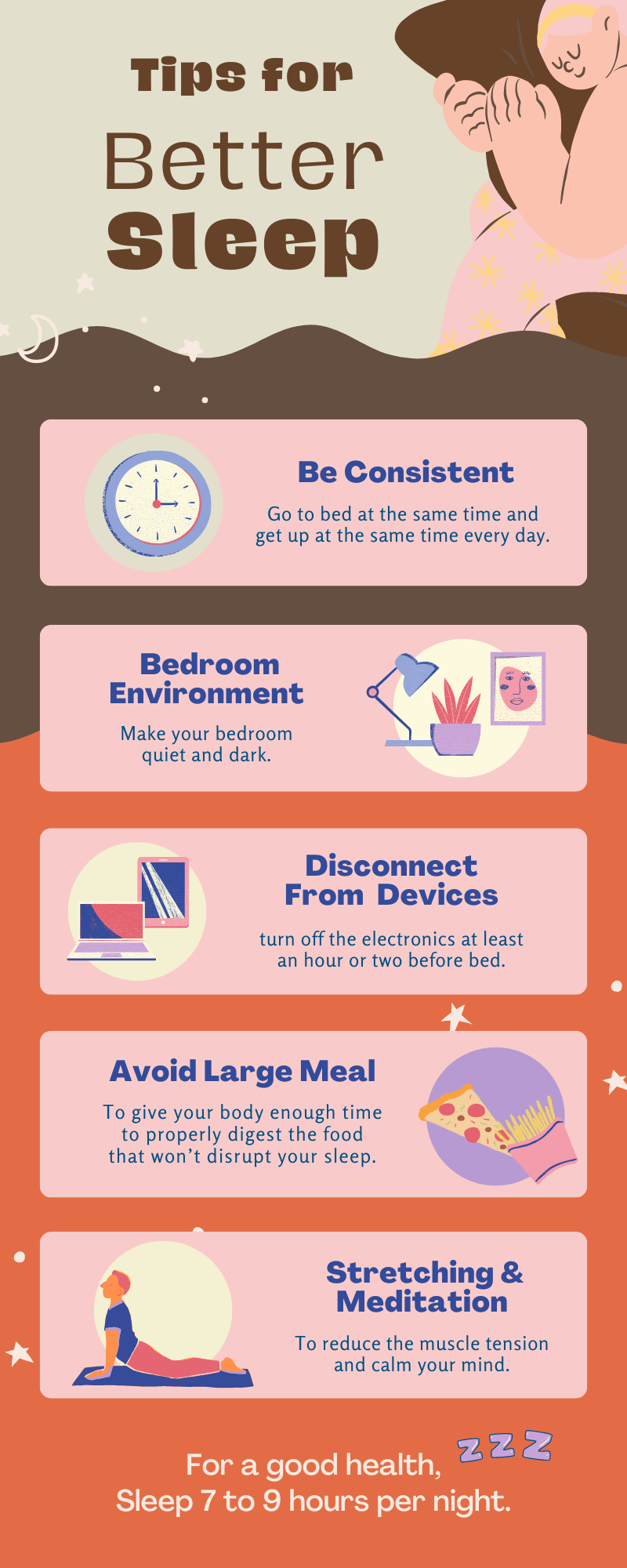
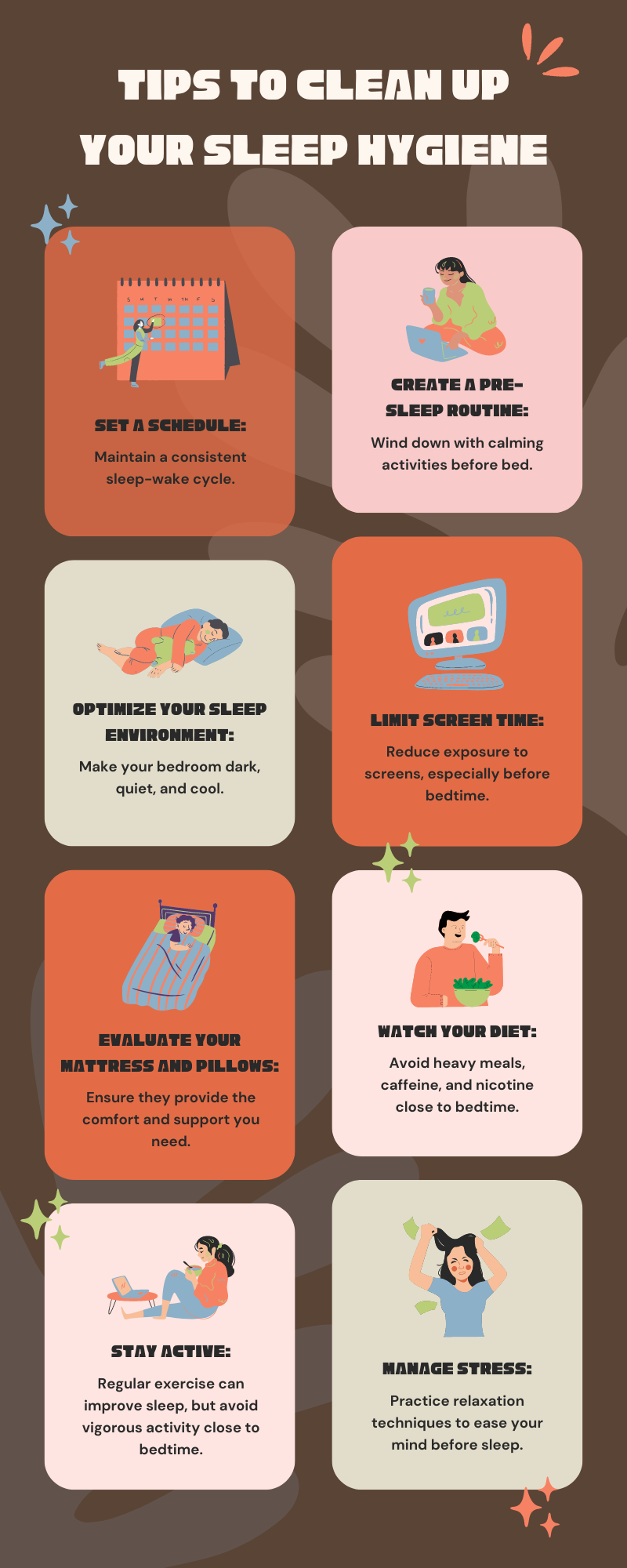
It’s evident by now that sleep holds a pivotal role in weight loss and overall health. But how do we integrate it into our weight loss plan? Let’s dive into some practical tips.
Sustaining healthy sleep habits for a prolonged period could result in clinically significant weight loss. Key tactics from the study could help improve the duration of sleep and possibly reduce calorie intake. Individuals with earlier bedtimes consume fewer calories and have a higher chance of maintaining weight loss. Lastly, avoiding heavy meals right before bed can enhance the success of weight-loss efforts.
Establishing a Consistent Sleep Ritual
Establishing a consistent sleep ritual is one of the most effective ways to enhance your sleep and, conselistquently, your weight loss efforts.
Listen to you intuition. You can find your consistent sleep schedule that helps regulate the body’s clock, including various physical functions like metabolism, impacting weight loss efforts. Ignoring your body's signal with a poor sleep habit can lead to disrupted sleep patterns, undermining weight loss by disrupting the regulation of appetite hormones.
To establish a consistent sleep relaxed state to feel good, one can naturally cultivate a inner biological clock. This is a self discovery route, you can naturally find your own best pattern to serve yourself:
Discover your own rhythm. Go to bed and wake up at the same time every day, even on weekends.(Remember, you're not a machine. Just listen to your intuition and cultivate a way to nurture your life)
Have a pre-sleep ritual, such as reading or taking a bath, to signal to the body that it’s time to wind down and prepare for sleep.
Exclude stimulating activities like watching TV or using other electronic devices before bedtime to make yourself feel unease.
Meditate to release the tension in the mind and body to be in the relaxed state. It's also good to listen the affirmation to reprogram your subconsciousness
Making the bedroom environment conduciveto sleep by keeping it dark, quiet, and cool can aid in falling and staying asleep more easily.
Limiting caffeine intake in the evening and establishing a consistent feeling-good meal habit can further promote a regular sleep pattern. Sticking to a consistent relaxed sleep state is crucial for reinforcing the sleep-wake positive cycle, enhancing sleep quality, and supporting weight loss goals.
Journaling your thoughts: you are the master of your daily story. Learn to give the meaning of your daily story. Being the director of your life. So you can have a peaceful mind to get into your high quality sleep state.
Read more: Transform Your Life with 118 Self Love Journal Prompts
This scientifically proven ancient Oriental Blue Tonic sleep-enhanced weight loss plan is what you need. It has already helped 125,820 people naturally and healthily melt away fat daily.
Sleep hypnosis to lose weight
Sleep hypnosis presents another intriguing method for weight loss. While the concept might sound outlandish, it could potentially have some benefits.
Using sleep hypnosis for weight loss involves:
Listening to guided hypnosis sessions while falling asleep to influence subconscious behaviors and attitudes towards food, exercise, and body image
Sleep hypnosis induces a state of deep relaxation, allowing the mind to become more receptive to positive suggestions and imagery
During hypnosis, suggestions can be made to adopt healthier eating habits, increase motivation for exercise, and reduce cravings for unhealthy foods
One specific approach within this domain is 'sleep hypnosis to lose weight', which targets subconscious factors that often hinder weight management efforts. This method is designed to directly address and modify the deep-seated beliefs and behaviors that affect eating patterns and physical activity levels, making it a powerful tool for those struggling to lose weight through conventional means.
Hypnosis can help with weight loss in the following ways:
Delving into underlying emotional issues or beliefs that may contribute to overeating or weight gain, helping to address them at the subconscious level
Including affirmations and visualizations to enhance self-esteem and confidence in one’s ability to achieve weight loss goals
Alleviating stress and anxiety, which are often triggers for emotional eating or unhealthy habits
By promoting relaxation and reducing stress, sleep hypnosis may also improve overall sleep quality, which is crucial for weight management.
Best sleep position to lose weight
Although no specific sleep position directly induces weight loss, incorporating the concept of the 'best sleep positionto lose weight' into our discussion highlights that while no sleep position will directly shed pounds, optimizing your sleep position for better sleep quality can indirectly support weight management efforts. Elevating your legs slightly while lying on your back can improve circulation and reduce pressure on the lower back, potentially contributing to a more restful night's sleep and indirectly aiding in weight management.
Sleeping on your side with your knees drawn up toward your chest in a fetal position can help align the spine and alleviate pressure on the lower back. This position may also reduce the risk of snoring and sleep apnea, further contributing to the improvement of sleep quality, which is essential for those looking to manage their weight effectively.
Some tips for maintaining proper spinal alignment while sleeping are:
Placing a pillow under your knees while lying on your back to help maintain the natural curve of the spine and reduce strain on the lower back
Avoiding sleeping on your stomach, as it can place strain on the neck and spine
If you do sleep on your stomach, placing a small pillow under your pelvis can help alleviate pressure on the lower back and maintain better spinal alignment.
Back Sleeping with a Contoured Pillow: Using a contoured pillow designed to support the natural curvature of the neck and spine while lying on your back can help promote better sleep posture and reduce the risk of neck and back pain. This, in turn, can enhance sleep quality, indirectly supporting efforts to manage weight.
These tips can help ensure that you wake up feeling refreshed and without any back or neck pain, contributing to better sleep quality which is a crucial component of weight management.
Ultimately, the best sleep position varies from person to person based on individual comfort preferences, medical conditions, and sleep quality. It’s essential to experiment with different sleep positions and pillows to find what works best for you.
Additionally, listening to your inner rhythm to naturally find your own best sleep schedule, creating a comfortable sleep environment, and practicing good sleep hygiene are also crucial factors for achieving quality sleep and supporting overall health and well-being.
【How】Optimizing Nutrition,Eating Habit and Lifestyle for Quality Sleep Duration
The saying ‘you are what you eat’ holds particularly true when discussing sleep. The foods you consume and your lifestyle choices can have a direct impact on your sleep quality, and consequently, your weight.
Improving diet, exercise, and sleep collectively contributes more significantly to both physical and mental health than focusing on just one of these aspects. Hence, embracing healthy eating habits and implementing positive lifestyle changes can promote better sleep and aid in achieving your weight loss goals.
Eating habit and Lifestyle Changes to Support Sleep
What specific eating habits and lifestyle modifications can enhance sleep quality?
Avoiding heavy meals before bed can support better sleep quality and weight loss efforts. Incorporating a balanced diet that is low in calories and fat, and avoiding late-night eating, can lead to improved sleep quality.
Regular moderate exercise can enhance sleep quality, but it should not be done too close to bedtime to avoid disrupting sleep. Maintaining a diet adequate in key nutrients such as calcium, magnesium, and vitamins A, C, D, and E is important for good sleep.
Caffeine consumption should be limited, especially before bedtime, as it can make falling asleep more difficult. Exposure to natural light during the day can help maintain the body’s sleep-wake cycle and improve sleep quality.
What to eat before sleep to lose weight
While it's generally recommended to avoid eating right before bedtime, sometimes hunger strikes, and it's essential to choose wisely to maintain both your sleep quality and weight loss goals.
Remember, life doesn't adhere to strict rules or limitations. Trust your intuition to lead you towards a healthier lifestyle. Opting for a light, balanced snack before bedtime can stabilize blood sugar levels and ward off midnight hunger pangs. Here are some nutritious options to consider:
Some protein-rich snack options include:
Greek Yogurt: high in protein and low in sugar
Cottage Cheese: a protein-rich option
Nuts: a small handful of almonds, walnuts, or pistachios can provide healthy fats, protein, and fiber
Nut Butter: spread almond or peanut butter on whole grain toast or a slice of apple for a satisfying snack
Fruit and Cottage Cheese: pair cottage cheese with sliced fruit, such as berries or apple slices, for a combination of protein, fiber, and natural sweetness.
If you prefer a crunchy snack, try dipping raw vegetable sticks, such as carrots, celery, or bell peppers, into hummus. For a light snack before bed, you could enjoy a few whole grain crackers with a small serving of cheese. And if you prefer a beverage before bed, opt for caffeine-free chamomile tea. Eating a diet rich in key nutrients supports better sleep, which is an important internal medicine when trying to lose weight.
FAQ
At this point, you may have some queries about sleep and weight loss. Here are some answers to frequently asked questions based on the knowledge base and blog post.
Question: Does sleep help you lose weight? Answer: Yes, adequate and quality sleep can aid weight loss by regulating appetite, enhancing metabolic function, reducing stress, and increasing energy levels.
Question: What is the best time to sleep to lose weight? Answer: While there isn’t a specific “best time” to sleep for weight loss, maintaining a consistent sleep schedule and getting around 8.5 hours of quality sleep each night can aid weight loss efforts.
Question: Does going to sleep hungry help you lose weight? Answer: It’s not advisable to go to bed hungry as this can disrupt sleep. However, avoiding heavy meals right before bed can support better sleep quality and weight loss efforts.
Question: Can exercise improve sleep quality? Answer: Yes, regular moderate to vigorous physical activity can help improve sleep quality, which supports better weight management and general well-being.
Question: What's the optimal sleep duration for weight loss? Answer: The optimal sleep duration for weight loss is around 8.5 hours per night, according to research. Aim for this amount consistently to support your weight loss goals. But your inner wisdom is the key. You are not limited to the number sometimes you have your own inner rhythm. Discover what works the best for you.
Question: How does sleep deprivation affect hunger hormones?Answer: Sleep deprivation can lead to increased appetite and reduced feelings of fullness by increasing levels of ghrelin and decreasing levels of leptin, the hunger and satiety hormones, respectively.
Question:How can I improve my sleep quality? Answer: To improve your sleep quality, try setting a consistent sleep schedule, creating a sleep-friendly environment, and practicing good sleep hygiene. These steps can help you get better rest and feel more refreshed.
Question:Does sleep influence metabolism?Answer: Absolutely! Sleep has a significant influence on metabolism, affecting your resting metabolic rate by altering the number of calories your body burns at rest.
Question: Can my sleep position affect weight loss?Answer: Your sleep position may not directly cause weight loss, but it can support better sleep quality and overall health, indirectly contributing to weight management. So, it's important to focus on improving sleep quality rather than a specific sleep position.
Question: Do you lose weight when you sleep? Answer: While you don’t directly lose weight while sleeping, sleep plays a crucial role in regulating various bodily functions, including those that affect your weight. Good sleep can help balance hunger hormones, enhance metabolism, reduce cravings, improve workout performance, and even increase your overall energy levels, all of which can contribute to weight loss.
Summary
In conclusion, sleep isn’t just a luxury - it’s a necessity, especially when it comes to weight loss. From regulating hunger hormones and boosting your metabolism to reducing cravings and enhancing your workout performance, sleep plays a crucial role in your weight loss journey. But remember, it’s not just about the quantity of sleep. The quality of your sleep matters too. Your inner guidance matters. How you feel matters. What serves for your life matters. So, take care of your sleep hygiene, establish a consistent sleep system that serves you, love yourself and make your healthy relaxed sleep a priority. Your body (and your waistline) will thank you!
Reference
3, Grandner M, Mullington JM, Hashmi SD, et al. Sleep duration and hypertension: Analysis of > 700,000 adults by age and sex. J Clin Sleep Med. 2018;14(6):1031–1039. doi: 10.5664/jcsm.7176. [PMC free article] [PubMed] [CrossRef] [Google Scholar]
4, "Sleep and Metabolism: How Rest Affects Energy Expenditure" - Mayo Clinic
5,National Sleep Foundation. 2005 Sleep in America Poll. Accessed June 14, 2011.
6, Reutrakul S, Van Cauter E. Sleep influences on obesity, insulin resistance, and risk of type 2 diabetes [published online March 3, 2018] Metabolism. 2018;84:56–86. doi: 10.1016/j.metabol.2018.02.010. [PubMed] [CrossRef] [Google Scholar]
7, Diet and Sleep Physiology: Public Health and Clinical Implications, Front. Neurol., 10 August 2017
Ning Chen, together toevolve with ancient Oriental wisdom, modern Western psychology, and joyful life skills ...
Psychological consultant Certificated By the Institute of Psychology, CAS, China;
Life skills coach Certificated By George Brown College, Canada;
Solution-focused therapist studying at the University of Toronto, Canada (ongoing);
Advanced French Patissier Certificated By GBC and École Nationale Supérieure de Pâtisserie, France;
Used to work for one of the top 500 global companies as a telecommunication engineer and an engineering leader;
A drop-out psychology doctoral student but forever life's student.
JOINSELFLOVEGROUP RISING CIRCLE NEWSLETTER
Immerse yourself in a dynamic flow of source energy life skills, tools, and perspectives designed to nurture the lovable and loved you.
SelfloveGroup Rising Circle Newsletter
Immerse yourself in a dynamic flow of source energy skills, tools, and perspectives designed to nurture the lovable and loved you.
We Help Lovable And Loved You Root In Self-Love|Philautia To Boost And Radiate Who You Are: Health, Wealth, Joy, Love, Peace, Success.
SelfloveGroup Rising Circle Newsletter
Immerse yourself in a dynamic flow of source energy skills, tools, and perspectives designed to nurture the lovable and loved you.
This site is not a part of Google™ or the network of sites such as Youtube™ or any company owned by Google™ or Youtube™. Additionally this website is not endorsed by Google™ or Youtube™ in any way. Google™ and Youtube™ is a trademark of Google LLC. This site is not part of and/or endorsed by Facebook™.Facebook™ is a trademark of Facebook™, Inc.